
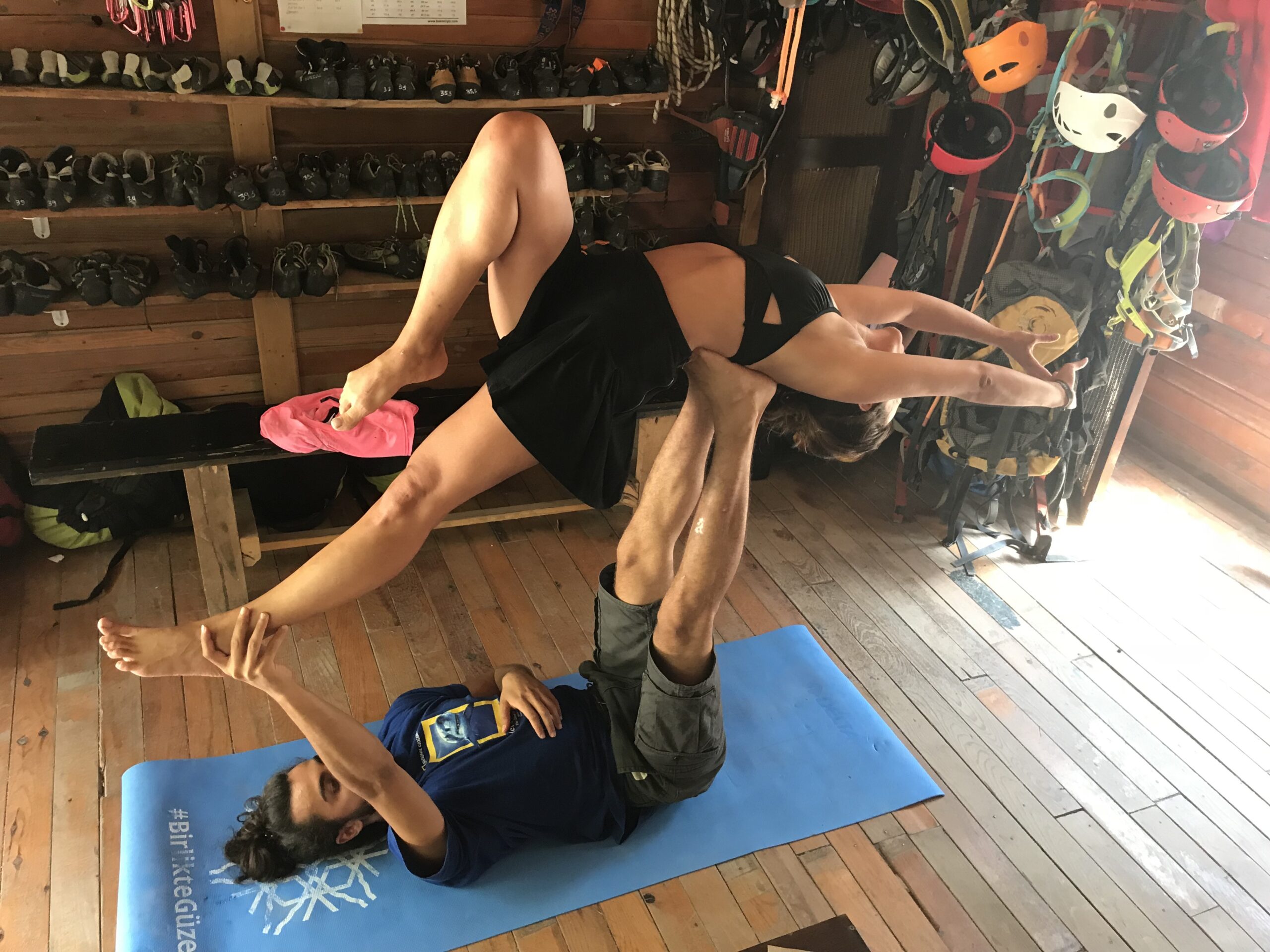
It’s easy to get carried away by the feel-good sensations you get from exercise, whether you find it meditative, empowering, or therapeutic. But remember: Leave room for active recovery instead of going full speed with your workouts every single day and never taking time to rest. Your body needs time to rest in between hard exercise sessions so that it can repair itself properly—and come back stronger. Plus, if all your body gets is physical stress without rest, you can reach the point of diminishing returns, or the point at which more exercise doesn’t result in any more progress.
Active recovery, also called active rest, is when you do some sort of movement that is less intense than your regular workout days. That can mean anything from yoga or light stretching, a walk, or a leisurely jog. In general, an active recovery day features easy workouts equivalent to no more than 60 to 70 percent of your maximum effort (low to moderate intensity). For example, if you’re training for a marathon, you can use an active recovery day as an opportunity to walk a few easy miles or take a gentle yoga class to work on flexibility.
BENEFITS OF ACTIVE RECOVERY
Working at a lower intensity will help increase recovery from your previous workout by increasing blood flow to your muscles and tissues. Giving your circulation a little boost helps get nutrients (like amino acids and oxygen) to your muscles so they can repair themselves. It also helps flush out waste products that built up during exercise (like hydrogen ions and lactic acid) and contribute to muscle damage and fatigue
EXAMPLES OF ACTİVE RECOVERY ACTIVITIES

This tried-and-true recovery activity not only increases flexibility, but it also teaches proper breathing techniques and body control. In addition, an easy yoga flow also promotes blood flow to help repair your broken-down muscle tissues. You can do yoga yourself or you can join the group in Geyikbayiri some camping which are got yoga place and class
2. Self-myofascial release
